
Services / Risk
 Risk
Climate risk assessment · Qatar and the GCC
Climate risk and scenario analysis for GCC assets
Heat, water stress, sea level and carbon pricing affect GCC assets in specific ways. We assess them and show the financial effect, in line with IFRS S2.
What it is
The short version
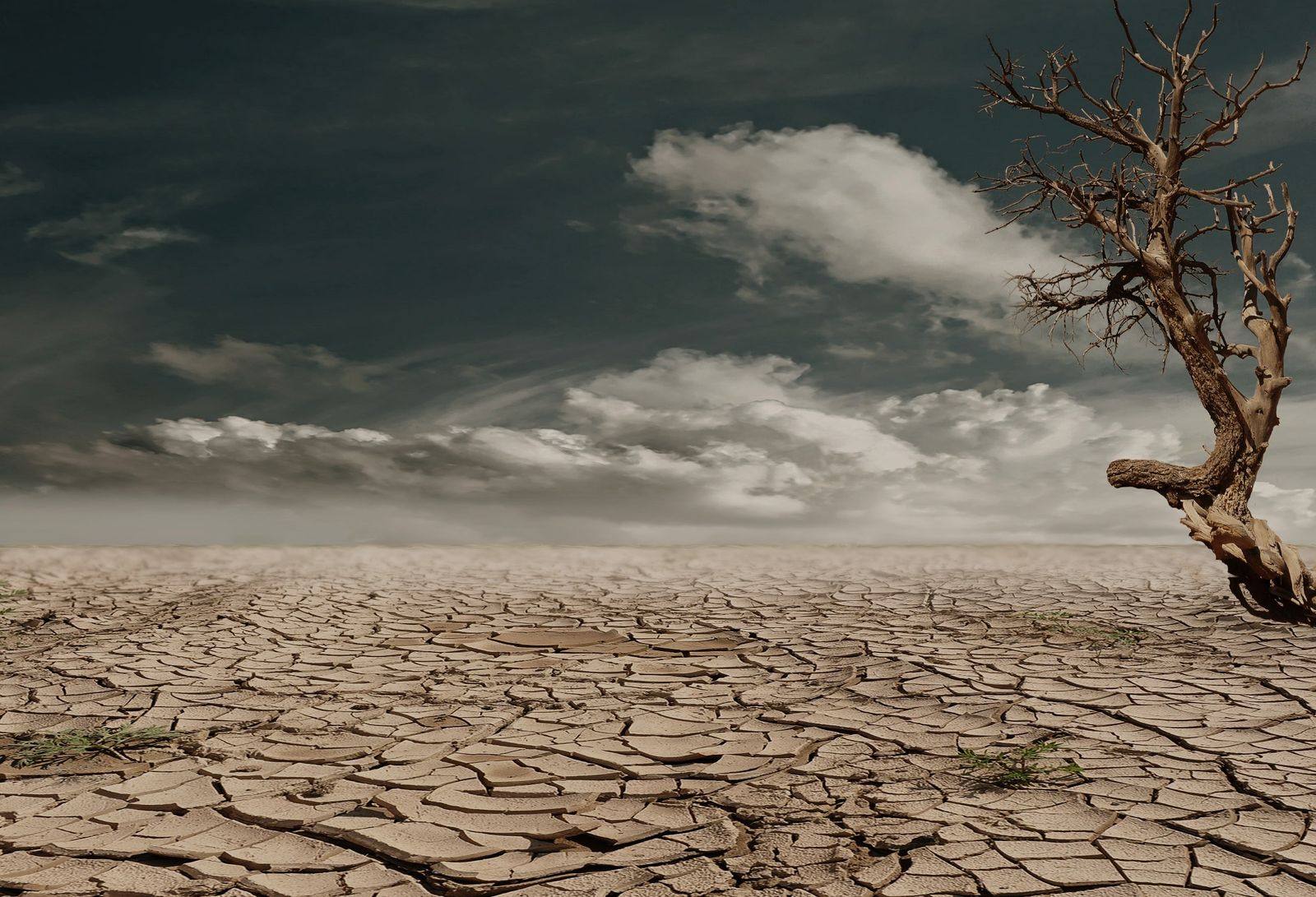
Climate risk has two parts. Physical risk covers damage and disruption from extreme heat, flooding, sea level rise and water stress. Transition risk covers policy, technology, market and reputation changes as economies decarbonise.
Scenario analysis tests how these risks play out under different futures, such as a fast low-carbon transition or a high-warming path. IFRS S2 requires companies to describe climate resilience using scenario analysis proportionate to their circumstances.
For the GCC, the profile is distinct. Extreme heat affects outdoor work and cooling demand. Coastal assets face sea level and storm surge exposure. Hydrocarbon-linked revenues face transition risk as global demand shifts.
Who needs it in the GCC
Who we work with
- Banks and insurers under the QCB Sustainability Reporting Framework.
- Listed companies preparing IFRS S2 climate disclosures.
- Owners of coastal real estate, ports and industrial sites.
- Energy companies assessing long-term demand and carbon cost exposure.
Why now
IFRS S2 expects disclosure of climate risks, their financial effects and the resilience of strategy. QCB built ISSB alignment into its framework for banks and insurers from 1 January 2026. Banks must assess climate risk in their portfolios and will look to borrowers for asset-level information.
Insurers face direct exposure through underwriting.
What we deliver
Concrete outputs, not slides
Every engagement ends with files your team owns and can reuse next year.
- Climate risk and opportunity register with time horizons
- Asset-level physical risk screening for key sites
- Transition risk analysis, including carbon price and demand scenarios
- Scenario analysis narrative and quantified effects where practical
- Integration into the enterprise risk register and appetite
- Draft IFRS S2 strategy and risk management disclosures
How we work
Four steps
- 01
Frame
Agree scenarios, time horizons and the assets or portfolios in scope.
- 02
Screen
Identify physical and transition risks for each asset or sector exposure.
- 03
Quantify
Estimate financial effects where data allows and rank risks by materiality.
- 04
Embed
Feed results into risk management, strategy and disclosure.
Free tool
QCB readiness checklist
See how climate risk fits the QCB framework.
FAQ
Common questions
Which scenarios should we use?
Most companies use scenarios from recognised sources such as the IPCC, the IEA or the NGFS. The choice should cover at least one orderly transition and one high physical risk path.
Do we need complex models?
No. IFRS S2 allows an approach proportionate to your skills and resources. Many first-year assessments are qualitative with targeted quantification. Depth grows over time.
What physical risks matter most in Qatar?
Extreme heat, water stress and coastal flooding are the usual priorities. The answer depends on each asset location and design.
How do banks use climate risk results?
In credit decisions, sector limits, stress testing and disclosure. That is why borrowers are now being asked about their exposures.
Sectors we serve with this

Tell us your deadline
Send us the report date, the lender request or the project brief. We reply within one working day with what applies and what it takes.
Contact us