
Services / CBAM
 CBAM
CBAM readiness · Qatar and the GCC
CBAM readiness for GCC exporters to the EU
The EU Carbon Border Adjustment Mechanism now puts a price on the emissions embedded in your exports. We help producers measure them and protect their EU sales.
What it is
The short version
CBAM is the EU Carbon Border Adjustment Mechanism. It puts a carbon price on certain goods imported into the EU, to match the cost EU producers pay under the EU Emissions Trading System.
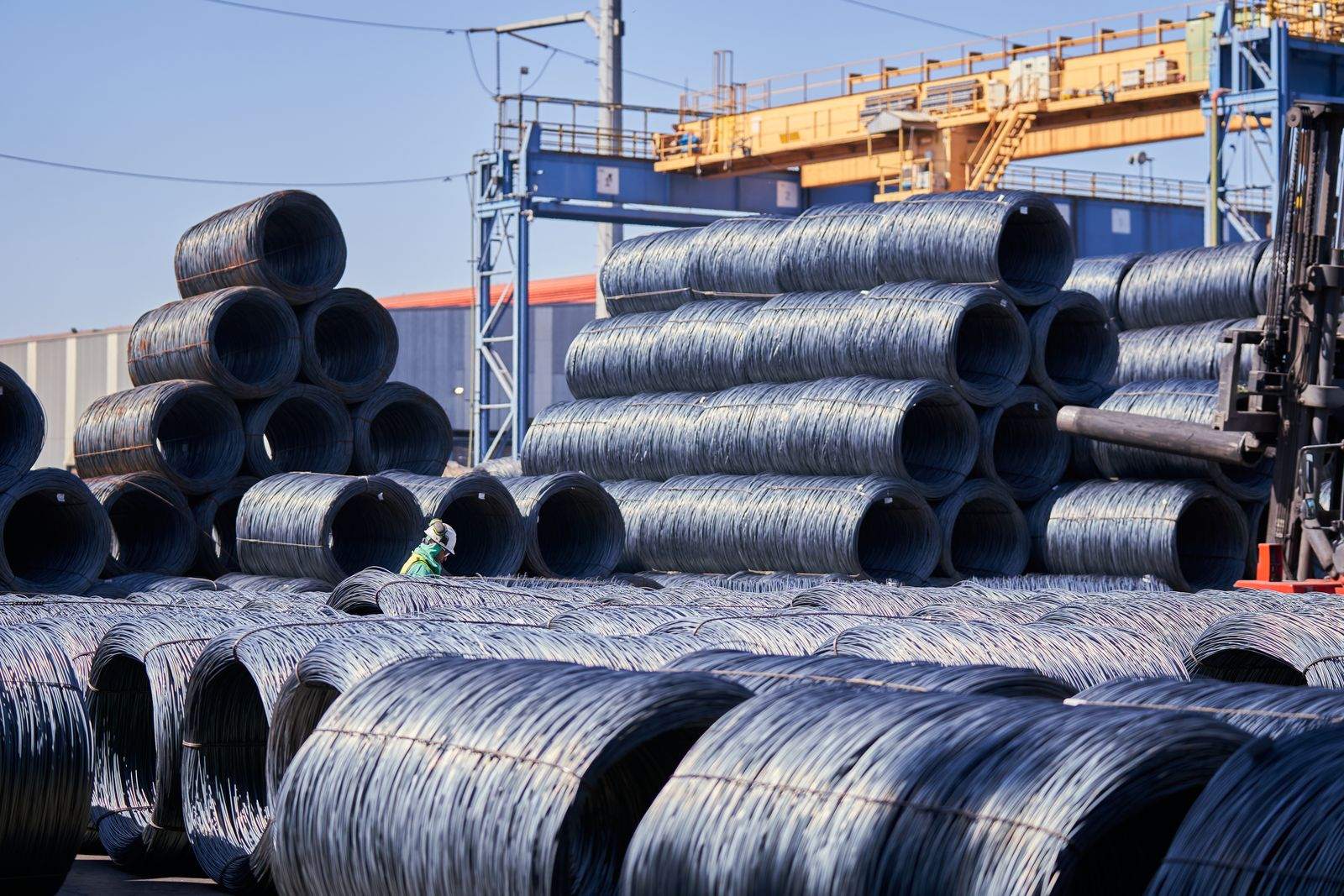
It covers iron and steel, aluminium, cement, fertilisers, electricity and hydrogen, including some downstream products. The legal obligation sits with the EU importer, but the data must come from the producer. Importers who cannot get actual emissions data must use default values, which are often set to be unfavourable.
For GCC producers, this makes emissions data a commercial issue. A buyer will prefer a supplier who can provide verified, installation-level embedded emissions.
Who needs it in the GCC
Who we work with
- Steel and aluminium producers in the GCC exporting to the EU.
- Cement, clinker and fertiliser producers with EU customers.
- Hydrogen and ammonia projects targeting European offtake.
- Traders and downstream manufacturers using covered materials in exported products.
Why now
The transitional reporting period ended on 31 December 2025. The definitive period covers imports from 1 January 2026, and importers must buy and surrender CBAM certificates for the emissions embedded in those goods, with the first surrender due in 2027.
Every shipment in 2026 carries a cost based on its emissions. Producers who send accurate, verifiable data protect their customers from default values and protect their own margin.
What we deliver
Concrete outputs, not slides
Every engagement ends with files your team owns and can reuse next year.
- CBAM exposure screening by product, CN code and EU customer
- Installation-level embedded emissions calculation following the EU method
- Monitoring methodology document for each installation
- Data templates for EU importers in the format they need
- Cost exposure estimate under a range of EU carbon prices
- Verification readiness review and a reduction options shortlist
How we work
Four steps
- 01
Screen
Map your exported products to covered CN codes and size the exposure.
- 02
Measure
Define production processes, boundaries and precursors, then calculate direct and indirect embedded emissions.
- 03
Document
Write the monitoring methodology and prepare data packs for your importers.
- 04
Reduce
Identify the actions that lower embedded emissions and the CBAM cost your buyers pass back.
Free tool
CBAM cost estimator
Estimate the CBAM cost on your EU shipments.
FAQ
Common questions
Who pays CBAM?
The EU importer buys and surrenders CBAM certificates. In practice the cost is negotiated into price, so the producer bears much of it.
Which products are covered?
Iron and steel, aluminium, cement, fertilisers, electricity and hydrogen, plus some downstream products listed by CN code in the regulation.
What happens if we do not provide data?
Your importer may have to use default values. These can produce a higher cost than actual data, which makes your product less competitive.
Does a carbon price paid at home count?
A carbon price effectively paid in the country of origin can be deducted under the regulation. Most GCC countries do not currently have an explicit carbon price, so this rarely applies today.
Do we need verification?
Embedded emissions data in the definitive period must be verified by an accredited verifier. We prepare you for that; we do not verify our own work.
Sectors we serve with this
Tell us your deadline
Send us the report date, the lender request or the project brief. We reply within one working day with what applies and what it takes.
Contact us