
Sectors / Industry
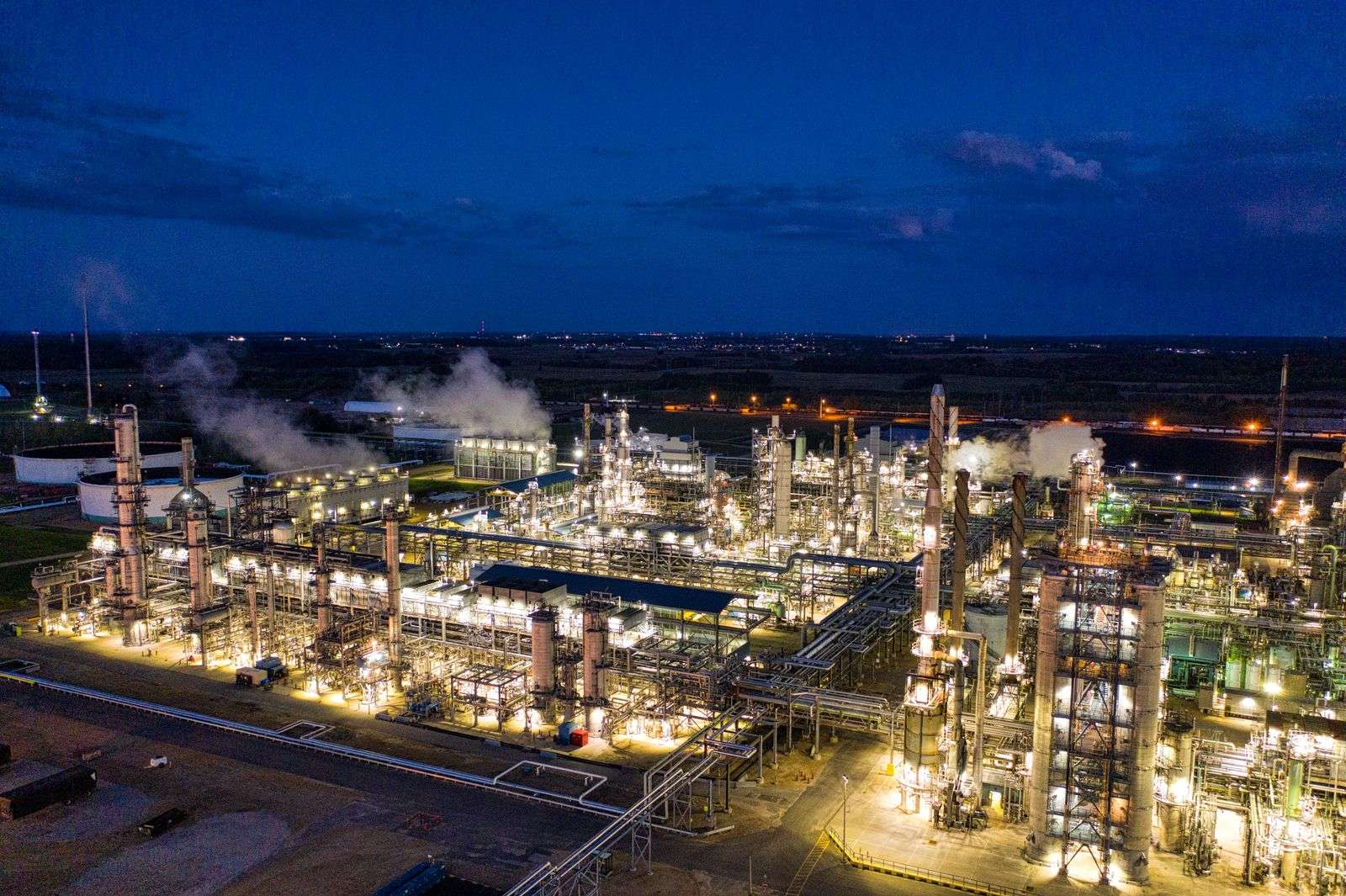 Industry
Petrochemicals, steel, aluminium · Qatar and the GCC
Carbon, CBAM and safety for GCC heavy industry
Steel, aluminium, cement, fertilisers and petrochemicals now carry a carbon cost into Europe. We help plants measure it, cut it and stay competitive.
What it is
The short version
GCC heavy industry is energy-intensive and export-led. That puts it at the centre of carbon border measures, customer Scope 3 requests and lender scrutiny.
We work at installation level. That means process maps, fuel and power data, precursor flows and product allocation. It is the detail that EU importers and verifiers need, and the detail that lets you find real reductions.
Plants also carry major accident hazards. We bring process safety and safety culture work alongside the carbon work, so ESG reporting covers both.
Who needs it in the GCC
Who we work with
- Steel and aluminium producers.
- Cement and clinker producers.
- Fertiliser, ammonia and petrochemical plants.
- Manufacturers using covered materials in products sold to the EU.
Why now
The EU CBAM definitive period covers imports from 1 January 2026. It applies to iron and steel, aluminium, cement, fertilisers, electricity and hydrogen. EU importers now pay for embedded emissions, and they will pass that cost back to suppliers.
Producers with accurate, verifiable data avoid default values and give buyers a reason to stay.
What we deliver
Concrete outputs, not slides
Every engagement ends with files your team owns and can reuse next year.
- CBAM exposure screening and embedded emissions calculations
- Monitoring methodology documents and importer data packs
- Scope 1, 2 and 3 inventories under the GHG Protocol
- Energy efficiency and abatement cost analysis
- Process safety studies and PSM audits
- Safety culture assessment for plant and contractor workforces
How we work
Four steps
- 01
Listen
We start with your deadlines: the report, the lender request, the tender or the EU customer. Then we review what data and systems you already have.
- 02
Prioritise
We rank obligations and risks by date and consequence, so effort goes where it matters first.
- 03
Deliver
We do the technical work with your teams: measurement, analysis, studies, drafting.
- 04
Hand over
You keep the workbooks, methods and plans. Next year runs on your systems, not ours.
Free tool
CBAM cost estimator
Estimate the CBAM cost on your EU exports.
FAQ
Common questions
Our EU customer asked for embedded emissions. Where do we start?
Map your exported products to CN codes, then define the production processes and boundaries for each installation. We can do this quickly with your process engineers.
Does CBAM apply to petrochemicals?
Organic chemicals and polymers are not in the current scope. Hydrogen and fertilisers, including ammonia, are. Check the CN code list for each product.
How can we lower our CBAM cost?
By lowering embedded emissions: energy efficiency, fuel switching, renewable power and process changes. Accurate data alone often helps compared with default values.
Is CBAM the only driver?
No. Customer Scope 3 requests, lender questions and investor ratings all ask for the same data. One good inventory serves all of them.
Services for industry
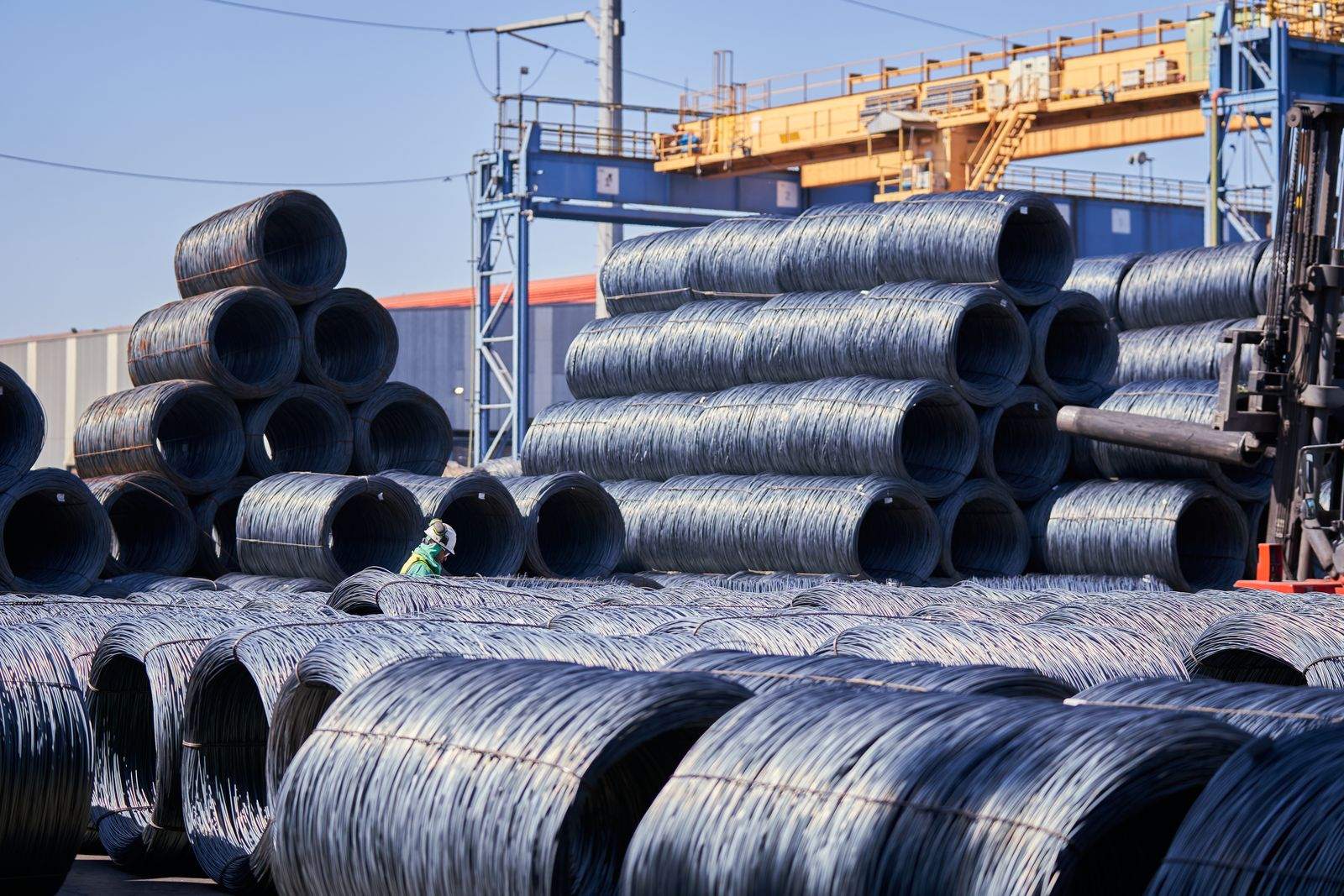
CBAM readiness
The EU Carbon Border Adjustment Mechanism now puts a price on the emissions embedded in your exports. We help producers measure them and protect their EU sales.

GHG inventory
We build greenhouse gas inventories under the GHG Protocol and ISO 14064-1, with GCC-specific factors and an audit trail behind every tonne.
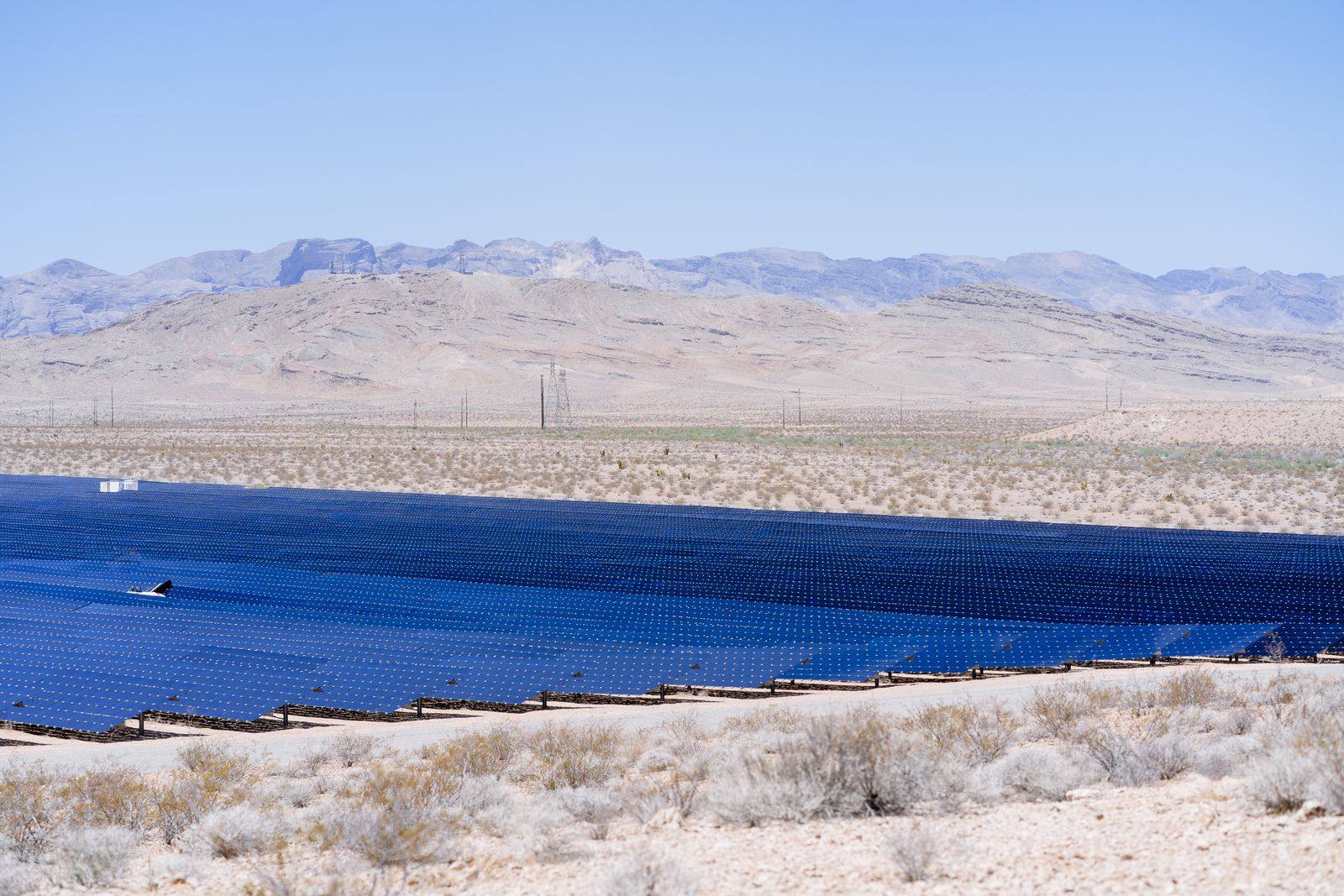
Decarbonisation and net zero
We turn emissions targets into a costed plan: which projects, in what order, at what cost per tonne, and what it means for your capital plan.
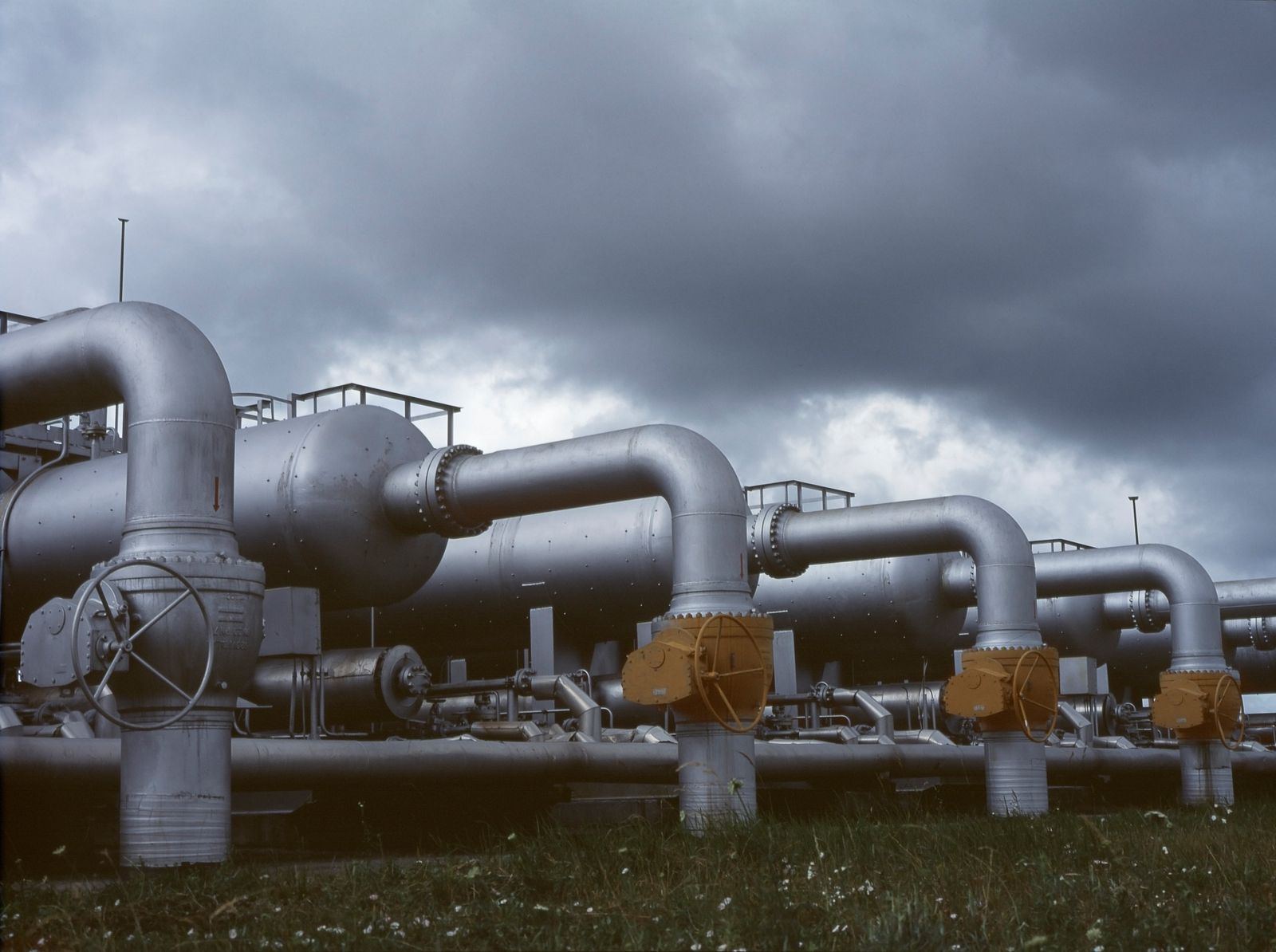
Process safety
HAZOP, LOPA, SIL and process safety management audits for oil, gas, petrochemical and industrial facilities across the GCC.

Safety culture
We assess how safety really works on your sites, then help leaders change the habits that drive incidents.

ESG strategy
We help GCC companies decide which sustainability issues matter to the business, set targets they can hit, and build the governance to deliver them.
Tell us your deadline
Send us the report date, the lender request or the project brief. We reply within one working day with what applies and what it takes.
Contact us