
Sectors / Energy
 Energy
Oil, gas and LNG · Qatar and the GCC
Sustainability and safety for oil, gas and LNG
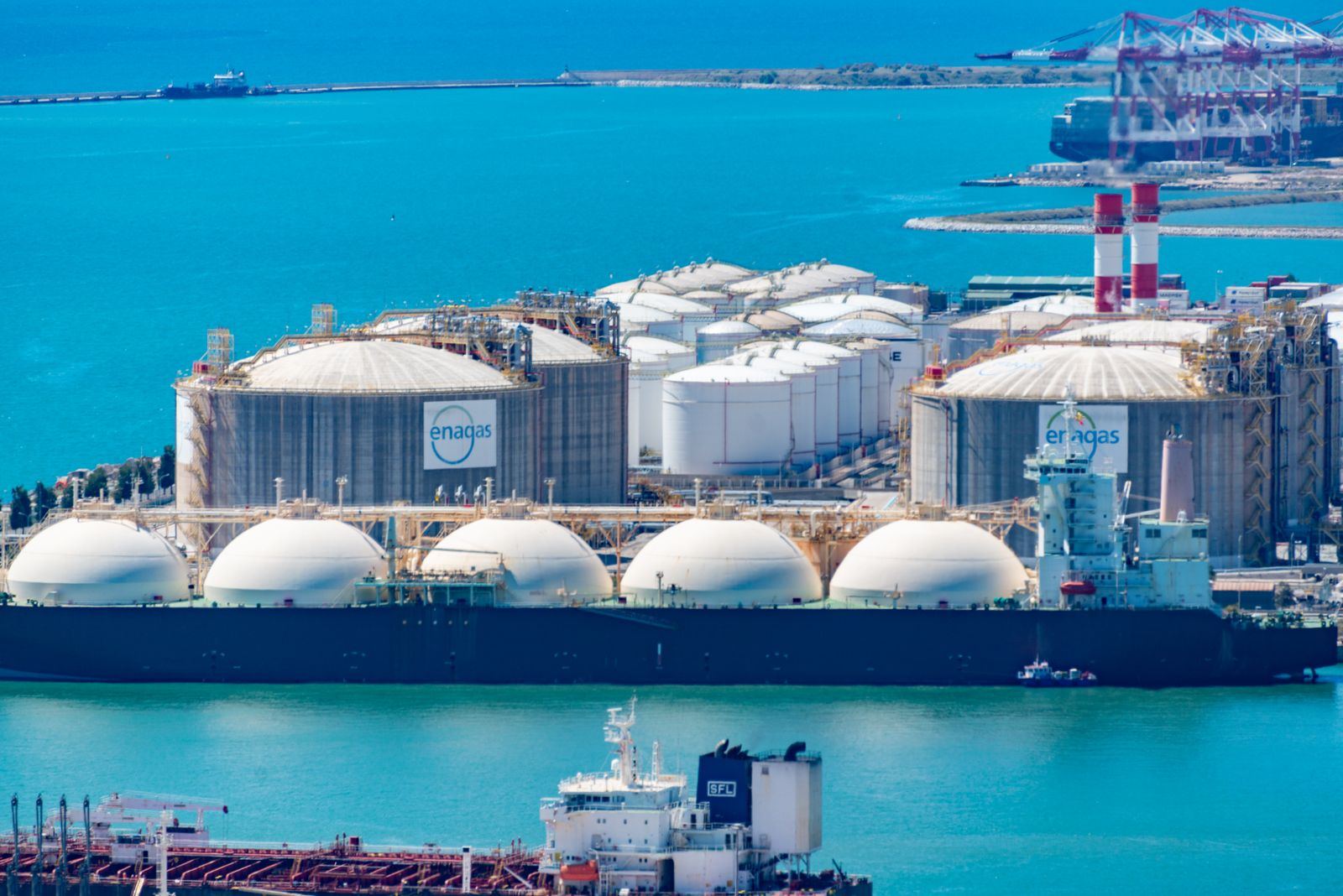
Hydrocarbons fund the GCC economy. They also face the hardest questions from investors, buyers and lenders. We help operators and their supply chains answer them with real numbers.
What it is
The short version
Energy companies carry the largest direct emissions in the region and the largest process safety risks. Their disclosures are read closely by international buyers, partners and financiers.
Our work covers the full picture: Scope 1, 2 and 3 inventories, methane and flaring measurement, decarbonisation roadmaps, climate risk and scenario analysis, and process safety studies. We also support the contractors and service companies that now receive ESG and emissions requests from national energy companies.
Methane gets particular focus. It is a potent greenhouse gas, and international buyers of gas and LNG increasingly ask suppliers about methane intensity and how it is measured.
Who needs it in the GCC
Who we work with
- Upstream, midstream and LNG operators and joint ventures.
- Oilfield service companies and EPC contractors.
- Downstream refiners and gas processors.
- Suppliers responding to ESG questionnaires in energy tenders.
Why now
IFRS S2 expects Scope 1, 2 and 3 emissions, transition plans and scenario analysis. QCB built ISSB alignment into its framework for banks and insurers from 2026, so lenders in Qatar now need this data from energy borrowers.
International gas buyers are tightening methane expectations. New projects introduce new hazards that need fresh safety studies.
What we deliver
Concrete outputs, not slides
Every engagement ends with files your team owns and can reuse next year.
- Facility-level GHG inventories with methane and flaring sources broken out
- Measurement-based methane programme design
- Decarbonisation roadmap and abatement cost curve
- Climate scenario analysis for long-term demand and carbon cost
- HAZOP, LOPA and SIL studies, bow-ties and PSM audits
- Sustainability reports and IFRS S2 climate disclosures
How we work
Four steps
- 01
Listen
We start with your deadlines: the report, the lender request, the tender or the EU customer. Then we review what data and systems you already have.
- 02
Prioritise
We rank obligations and risks by date and consequence, so effort goes where it matters first.
- 03
Deliver
We do the technical work with your teams: measurement, analysis, studies, drafting.
- 04
Hand over
You keep the workbooks, methods and plans. Next year runs on your systems, not ours.
Free tool
Scope 1-3 emissions calculator
A first estimate of your emissions with GCC factors.
FAQ
Common questions
Why is methane such a focus?
Methane traps far more heat than CO2 over short periods, and much of it can be cut at low cost. Buyers and investors see it as a test of how seriously an operator manages emissions.
Do contractors need to measure emissions?
More and more, yes. Large operators ask suppliers for emissions data to calculate their own Scope 3 and to rank bids.
Can you run process safety studies and emissions work together?
Yes. Both draw on the same process knowledge. Flaring, venting and relief systems matter for safety and for emissions.
How does transition risk affect GCC energy companies?
Through future demand, carbon pricing in export markets and the cost of capital. Scenario analysis tests these against your plans.
Services for energy
GHG inventory
We build greenhouse gas inventories under the GHG Protocol and ISO 14064-1, with GCC-specific factors and an audit trail behind every tonne.
Decarbonisation and net zero
We turn emissions targets into a costed plan: which projects, in what order, at what cost per tonne, and what it means for your capital plan.
Climate risk assessment
Heat, water stress, sea level and carbon pricing affect GCC assets in specific ways. We assess them and show the financial effect, in line with IFRS S2.
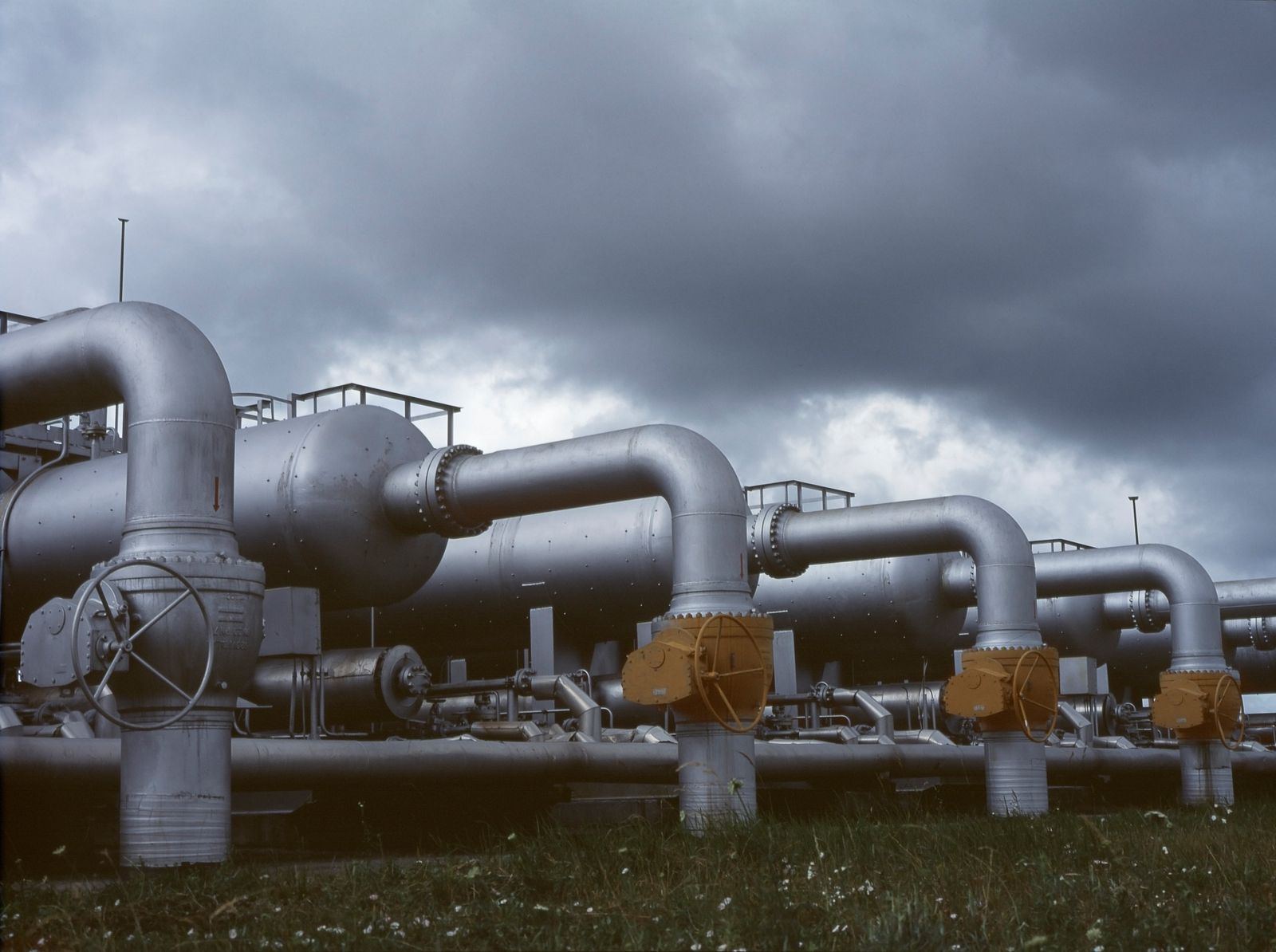
Process safety
HAZOP, LOPA, SIL and process safety management audits for oil, gas, petrochemical and industrial facilities across the GCC.
Safety culture
We assess how safety really works on your sites, then help leaders change the habits that drive incidents.
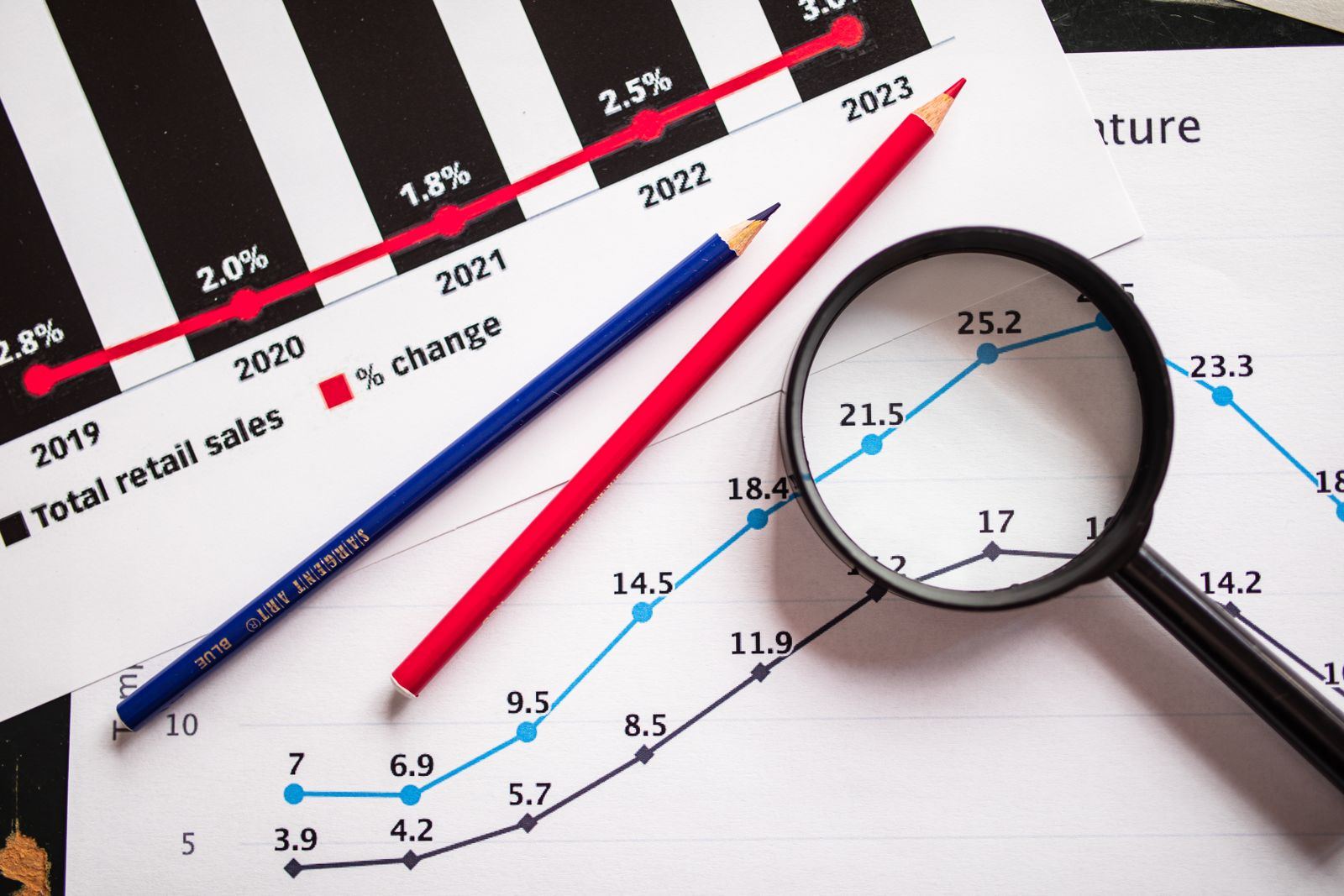
Sustainability reporting
We prepare sustainability and ESG reports under IFRS S1 and S2, GRI and Qatar Stock Exchange guidance, with the data trail an auditor will ask for.
Tell us your deadline
Send us the report date, the lender request or the project brief. We reply within one working day with what applies and what it takes.
Contact us